Telephone and telehealth services in Kingston-upon-Thames KT6: book private microsuction ear wax removal
This Resource Refreshed on 1/9/2026 06:17
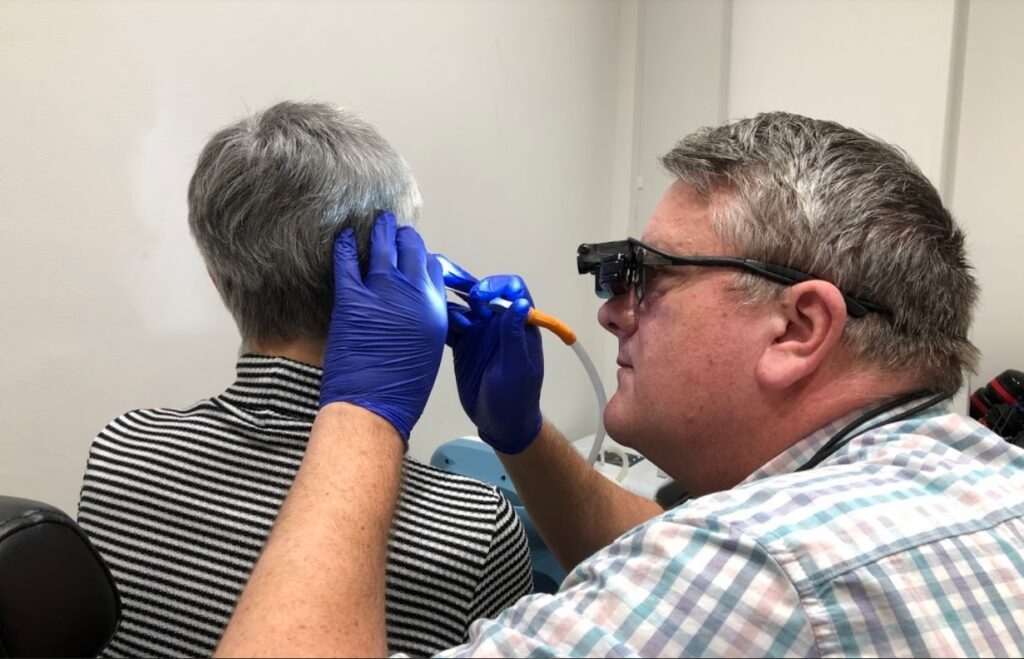
Just a stone's throw from Kingston station, the clinic offers pay-by-phone on-street parking outside, and you will find our Kingston ear wax removal clinic inside Therapy Spaces on St James' Road, on the ground floor.
Ear Wax Removal Kingston South West London Map, Location and Directions
You can get directions to our Microsuction Kingston Location here. Just put in your location in the specified area and Google Maps should lead you to the clinic.
Hearing First Kingston
Located within Therapy Spaces,
URL: https://www.hearingfirst.co.uk/book-ear-wax-removal-near-me/book-microsuction-ear-wax-removal-kingston/
Probably the best ear wax removal clinic in Kingston – don’t just take our word for it – here are some reviews from our many happy clients:
Telephone Help for Ear Wax Concerns in Kingston-Upon-Thames Kt6
If you are wondering whether blocked ears, muffled hearing or a sense of fullness could be linked to wax, a telephone or telehealth conversation can make the next step feel much less uncertain. In Kingston-upon-Thames KT6, remote support gives you a chance to describe your symptoms before you travel, so the clinic can judge whether an in-person microsuction appointment is likely to be suitable. For people who want a quicker response than waiting for a routine GP review, this can be a reassuring way to start. It is also useful if you would rather speak to a clinician first and understand the likely pathway before booking. Telephone triage does not replace a hands-on ear examination, but it can steer you towards the right appointment, explain whether microsuction is appropriate, and save an unnecessary journey.
How a Telehealth Conversation Can Support You
During a remote ear care discussion, the clinician may ask about pain, discharge, dizziness, tinnitus, recent infection, ear surgery, or whether you have used olive oil drops or another softening treatment. Those details help shape the advice, because they show whether microsuction, ear wax removal, or a different kind of assessment is the safest and most sensible choice. Clear answers also matter for safety, since some symptoms suggest you should seek medical review rather than proceed with wax removal alone.
How Remote Assessment Can Lead to a Private Microsuction Booking
A telehealth appointment can be a sensible first move if you want to arrange private microsuction ear wax removal without second-guessing yourself. It gives you space to describe the hearing problem, ask about available times, and understand what the clinic visit is likely to involve. For many people, especially those who have been living with blocked ears for some time, it offers a straightforward route rather than another round of uncertainty. It also helps avoid booking microsuction when the symptoms point elsewhere, such as an infection or a perforated eardrum.
Details Worth Having Nearby
- Any relevant ear history, including past microsuction, ear syringing, grommets, or ear surgery.
- When the symptoms began, how they have changed, and whether one ear or both ears are affected.
- Current symptoms such as pressure, muffled hearing, ringing, itchiness, or pain when chewing.
- Whether you have balance problems, discharge, bleeding, or sudden hearing loss, which may need prompt clinical advice.
- Any medicines, drops, or home treatments you have already tried, including softening drops.
More Information
You can find more information about our Kingston ear wax removal clinic here.
Who Finds Telephone Triage Helpful Before Ear Wax Removal
Telephone triage can be especially helpful if you want a quicker, more focused conversation before booking a private ear wax removal appointment. It suits busy professionals, carers arranging care for a relative, older adults, or anyone travelling from Kingston, Surbiton or nearby South West London areas who would prefer not to make an unnecessary trip. It can also be a good option if you are anxious about ear instruments, have had a difficult experience with irrigation, or simply want to know that microsuction is the right route before committing to a visit.
Why People Often Ring First
Many people choose a phone consultation when they are unsure whether ear wax is really behind their symptoms. The clinician can talk through signs of blockage, explain whether your history suggests a safe in-person assessment, and advise if urgent medical attention would be more appropriate. That makes it a practical blend of convenience and patient safety, while keeping private clinic planning grounded in evidence-based ear care.
When a Call Can Be Especially Useful
If one ear has suddenly become blocked, if tinnitus is lingering, or if hearing in meetings and everyday conversations has become difficult, a short telehealth review can help you decide whether to book microsuction sooner rather than later. It can also be helpful when you need to plan travel, parking, or support from a family member on the day.
Video: What Happens in Your Ear Wax Removal Kingston Appointment
What a Remote Ear Care Discussion Usually Covers
A remote ear care discussion is typically brief, structured, and focused on the key facts. The clinician will ask about your symptoms, any previous ear issues, and whether you have already tried softening wax at home. They may also explain the limits of telephone advice, because the ear canal cannot be examined properly until you attend in person. Even so, the call can still be an important step towards private microsuction, particularly if you want clarity before making a booking. It can also lower anxiety by setting out the consultation process and showing you what is likely to happen next.
How the Conversation Is Usually Framed
- You discuss how the blocked ear affects everyday life, including concentration, sleep, hearing aids, or work.
- If microsuction seems appropriate, you are directed towards the next appointment stage and given practical instructions.
- If the symptoms suggest something other than wax, you are advised to seek the right kind of medical review.
- The clinician gathers symptom details and checks for red flags such as fever, sudden hearing loss, discharge or severe pain.
- You can ask about preparation, timing, and what happens during a private ear examination.
Disabled Parking
Car Parks Near Hearing First Kingston Surbiton
- Cattle Market Car Park, approximately 1.1 miles from Hearing First Kingston Surbiton. View on Google Maps.
- ADA Customer Car Park, approximately 0.7 miles from Hearing First Kingston Surbiton. View on Google Maps.
- Kingston Cemetery Car Park, approximately 0.7 miles from Hearing First Kingston Surbiton. View on Google Maps.
Parking information and place links are provided by Google Maps. Check restrictions and charges locally.
Disabled clients with a blue badge can park on double yellow lines for up to 3 hours.
Getting Ready for a Telehealth Ear Wax Consultation
A little preparation before a telephone or telehealth consultation can improve the advice you receive and make your microsuction booking feel easier. Find a quiet place to talk, keep a notepad ready for instructions, and have your symptom details close by. If you wear hearing aids, know whether the problem is affecting one side or both, and mention any recent water exposure, flying, colds, or ear drops. These small pieces of information can change the guidance you are given, and they may help the clinician judge whether wax is the most likely cause.
Simple Ways to Prepare
- Make a short note of the main symptoms, including hearing changes, pressure, itchiness or ringing.
- Keep your phone nearby and answer at the agreed time so the call can begin without delay.
- List any past ear infections, surgery, grommets or problems with syringing.
- Have your questions ready, especially if you want to understand microsuction, booking, or what happens on arrival.
- Tell the clinician about any dizziness, pain or discharge, because those details matter for safety.
Parking
There is on-street pay-by-phone or metered parking in designated bays outside the clinic, and an off-street pay-and-display car park is about 2 minutes' walk away.
Parking Near the Kingston Clinic
If you are coming by car, you can choose between nearby off-street pay-and-display parking and designated on-street bays close to the Kingston clinic. The off-street car park is said to be around a two-minute walk away, which gives you a sensible fallback if the spaces immediately outside are already in use.
- Allow a little extra time to park and walk in, particularly if your appointment is at a busy time.
- Check local signs and parking conditions before leaving your vehicle, as restrictions can change.
- Look for pay-by-phone or metered bays in the designated parking areas outside the clinic.
Planning your journey ahead of time can make your private microsuction ear wax removal visit feel more organised. If mobility is a concern, or you are unsure which parking option would work best, it is sensible to confirm local access arrangements before you travel.
Why Telehealth Works Well for Private Ear Wax Removal in Kt6
Telehealth is a practical fit for private ear wax removal because it saves time, offers an initial clinical view, and helps you decide whether a face-to-face microsuction visit is worthwhile. For many people in KT6, it is a more convenient starting point than waiting without a clear timeline elsewhere. It is also useful if you are comparing treatment options and want to understand whether ear syringing, irrigation or microsuction is the most suitable choice for your situation. A telephone review can guide you towards the right service sooner, while still keeping the final treatment decision based on clinical judgement.
Everyday Benefits for Patients
Remote assessment may reduce unnecessary travel, help you avoid booking the wrong type of appointment, and give you a clearer idea of what to bring or expect. For someone dealing with blocked ears, wax-related hearing loss, or repeated build-up, that can make the whole process feel far less cumbersome. It also supports informed decision-making, which matters when you are choosing a private clinic for ear care.
What Telehealth Cannot Do
A telephone consultation cannot remove wax, look directly into the ear canal, or replace a proper physical examination. It works best as a useful pre-booking step that supports safe and efficient microsuction planning, not as treatment on its own.
Appointment Booking
Due to high demand, private ear wax removal is by appointment only. You can book an ear microsuction appointment here, or click on the button below:
Book a Private Microsuction Appointment
Private ear wax removal at the Kingston clinic is available by appointment only because demand is high. Booking ahead gives you a clear time to come in for ear microsuction, instead of depending on a walk-in service, and it also helps you organise travel, parking and any support you might need.
- Review the details provided during booking and give any requested information accurately.
- Use the Kingston booking link on the page to choose an appointment.
- Arrive with enough time to access the ground-floor clinic and settle in before your visit.
If blocked ears, reduced hearing or wax-related discomfort are affecting your day, making a private appointment is a practical next step. Book when you are ready, and contact the provider if you need to confirm suitability, appointment availability or anything else before attending.
When a Clinical Review Is Needed Before Microsuction
Not every blocked ear should be treated as simple wax. Before booking private microsuction ear wax removal, it is wise to seek a clinical review if you have pain, discharge, bleeding, sudden hearing change, severe dizziness, or a history of ear surgery. A telephone or telehealth service can help spot these warning signs early, which is one reason remote advice is so useful. It also reduces the chance of booking the wrong appointment and increases the likelihood of getting the right care pathway first time.
Symptoms That Call for Extra Caution
Ear wax can cause a blocked feeling and muffled hearing, but it should not be assumed to be the only explanation when symptoms are sudden, severe or unusual.
If the clinician suspects infection, a perforated eardrum or another ear condition, they may advise medical assessment rather than immediate microsuction. That helps protect your hearing and keeps private treatment appropriate, safe and evidence-based.
Microsuction Vs. Ear Syringing
Many people in Southwest London are finding that their local GP surgery no longer offers ear syringing. This may be due partly to funding pressures, but also because ear syringing is generally seen as less safe than ear microsuction. Possible side effects of ear syringing or irrigation include ear infection, perforation of the eardrum, hearing loss, tinnitus, and the ear wax being pushed even more firmly against the eardrum. It is not surprising that more people are moving away from walk-in ear syringing in London and looking for microsuction ear wax removal instead. Unfortunately, the sharp rise in demand means NHS microsuction clinics are often unable to keep up, and waiting times can exceed two to three months.
You do not have to wait months for microsuction. Going private can save time, and it is often more straightforward than people expect. Simply head to our booking page and you could be saying goodbye to your wax blockage this week!
Fascinating Facts About Kingston
- All Saints Church Tower: All Saints Church in Kingston Market Place has a medieval tower, while the main body was rebuilt to designs by George Gilbert Scott and consecrated in 1839.
- Lovekyn Chapel: Lovekyn Chapel in London Road, Kingston, was founded in 1309 as a chantry chapel and is one of the borough's few surviving medieval buildings.
- Kingston Museum Origins: Kingston Museum opened in 1904 after local campaigner Andrew Mather gave the town a museum and library building in Wheatfield Way.
- The Stanley Picker Gallery: The Stanley Picker Gallery at Kingston University's Knights Park campus presents contemporary art and is supported by the Stanley Picker Trust.
- Dorich House Museum: Dorich House in Kingston Vale was the former studio-home of sculptor Dora Gordine and now displays her work alongside a collection of Russian art.
- Kingston Grammar School: Kingston Grammar School traces its foundation to a royal charter of 1561, although the school says education on its site has earlier roots.
- Tiffin School Foundation: The Tiffin School was established in 1880 through the charitable bequest of Thomas Tiffin, a Kingston brewer and philanthropist.
- Surbiton Station Design: Surbiton railway station was rebuilt in 1937 to designs by Southern Railway architect James Robb Scott and is noted for its streamlined Art Deco facade.
- Surbiton Name Origin: Surbiton was originally a hamlet within Kingston parish, and its expansion was accelerated after the railway reached the area in 1838.
- Coronation Stone Legacy
Kingston-upon-Thames’s ancient Coronation Stone, displayed outside the Guildhall, is where Saxon kings like Æthelstan were crowned in the 10th century. Local legend claims the stone “groans” on the anniversaries of royal deaths—a myth tested during Queen Elizabeth II’s 2022 memorial. - Oldest Surviving Bridge
built in the 12th century, Kingston-upon-Thames’s Clattern Bridge, a 2021 restoration revealed Tudor-era graffiti of a griffin carved into the stone., and is one of Britain’s oldest surviving river crossings. Its name comes from the “clattering” hooves of medieval horses - Medieval Mint Town
Kingston-upon-Thames was a royal mint under Alfred the Great. In 2020, a metal detectorist found a rare 9th-century silver penny near the Thames, stamped with “CYNINGES TUN”—Old English for “King’s Town.” - Ear Wax Removal in Kingston
Ear wax removal is available from the experts at Hearing First Kingston on Mondays in Therapy Spaces on St James’ Road, just a couple of minutes’ walk from Surbiton station in KT6. Click here to book now. - Ancient Market Rights
Kingston-upon-Thames’s market charter dates to 1242, granted by Henry III. The modern market still thrives near All Saints’ Church, though today’s stalls sell artisan cheese instead of medieval wool. A plaque marks the original tollbooth site. - John Galsworthy’s Hometown
The Nobel Prize-winning author of *The Forsyte Saga* was born in Kingston-upon-Thames in 1867. His childhood home on Coombe Road is now a dentist’s office, but fans still leave typewriter-shaped tributes at his Guildhall statue. - Eadweard Muybridge’s Pioneering Work
The Victorian photographer and motion-study pioneer lived in Kingston-upon-Thames. His 1878 “horse in motion” experiments, which led to film technology, were partly funded by the town council. A mural on Fife Road celebrates his legacy. - The Bentall Centre’s Retail Empire
This shopping hub, opened in 1991, sits on the site of the 1867 Bentalls department store. The original store’s founder, Frank Bentall, introduced Santa’s grotto to Britain here in 1888—a tradition still upheld in Kingston-upon-Thames. - Kingston University’s Artistic Clout
Founded in 1899, Kingston University’s art school trained icons like David Hockney and Fiona Banner. Its Knights Park campus hosts an annual degree show that transforms Kingston-upon-Thames into a hotspot for art scouts. - The “Bored King’s Throne”
Locals jokingly call the Coronation Stone the “bored king’s throne” due to its unassuming appearance. In 2016, a TikTok trend saw Kingston-upon-Thames teens reenacting mock coronations here using Burger King crowns. - Haunted Druid’s Head Pub
Kingston-upon-Thames’s oldest pub (1533) allegedly hosts the ghost of a Roundhead soldier who died playing skittles. Staff report phantom footsteps in the cellar and tankards moving overnight—blamed on the pub’s resident “beer-loving spook.” - Hogsmill River’s Sewage Surprise
In 2018, Kingston-upon-Thames’s Hogsmill River made headlines when fatbergs (sewage blockages) caused “poo geysers” in nearby gardens. The Environment Agency later installed giant “fat traps,” now a quirky talking point on riverside walks. - Kingston Regatta’s Rowdy Past
Founded in 1858, this Thames rowing event once drew 20,000 spectators to Kingston-upon-Thames. A Victorian newspaper dubbed it “a carnival of drunkards,” but today’s family-friendly races focus on cream teas and brass bands. - The Out of Order Phone Boxes
David Mach’s 1989 sculpture of 12 tilted red phone boxes on Old London Road is a Kingston-upon-Thames icon. Locals nicknamed it “The Falling Kiosks” and often pose for photos “holding up” the precarious structures. - The Coronation Stone Heist Attempt
In 1985, thieves tried to steal Kingston-upon-Thames’s Coronation Stone, but abandoned it in a wheelbarrow outside the Guildhall. Police found it with a note: “Too heavy. Fix your security.” The stone was later bolted down with titanium clamps. - Time Capsule Under the Guildhall
a letter from the mayor. It’s slated to be opened in 3035—if the building still stands., During 1935 renovations, a ration book, and workers buried a time capsule under Kingston-upon-Thames’s Guildhall containing a 1934 newspaper - Kingston’s Fake Viking Ship
The “Kingston Viking Longship” displayed at the town museum is a 19th-century replica built to boost tourism. Historians confirmed it’s historically inaccurate, but Kingston-upon-Thames still celebrates it as a symbol of “creative civic pride.” - Secret Pagan Stone Circle
but locals still leave offerings there during solstices—usually flowers, crystals, In 2002, neopagans built a hidden stone circle in Kingston-upon-Thames’s Canbury Gardens. The council removed it, or the occasional Greggs sausage roll. - Rose Theatre’s Starry Links
Opened in 2008, Kingston-upon-Thames’s Rose Theatre was championed by Sir Peter Hall. Judi Dench performed here in *A Midsummer Night’s Dream* (2010), and rumor says she still pops into Bentalls for custard creams during rehearsals. - The Bentalls’ Secret Tunnels
Rumors persist of tunnels linking Kingston-upon-Thames’s Bentalls store to the Thames, used to smuggle goods during WWII. Engineers found bricked-up passages in 2001, but the council deemed them “too unstable for urban explorers.”
Questions to Raise During a Phone Consultation
A handful of clear questions during a telephone consultation can help you feel more confident about booking private microsuction. You may want to ask whether your symptoms sound like wax, whether softening drops would be helpful before the appointment, how long the visit usually takes, and what happens if the ear canal is too narrow or too blocked for immediate treatment. Useful questions also help you understand whether one ear or both ears need attention, and whether any symptoms mean you should have additional medical review first.
Helpful Questions for the Clinician
- Do my symptoms sound consistent with ear wax, or could something else be causing the blockage?
- Should I use olive oil drops or another softening preparation before my appointment?
- Is microsuction suitable if I wear hearing aids or have had previous ear treatment?
- What symptoms would mean I should seek urgent medical advice instead of attending for wax removal?
- How should I prepare for the appointment, and is there anything I should avoid beforehand?
Disabled Access
Published Accessibility Features
- Wheelchair-accessible entrance
- Wheelchair-accessible parking
- Wheelchair-accessible toilet
- Wheelchair-accessible seating
Accessibility details are provided by Google Maps. Contact the location to confirm individual requirements.
The clinic is located on the ground floor. There is a small 4 inch step up to the front door and beyond that there is level access.
The Booking Flow After a Telehealth Review
When a telephone or telehealth review suggests that microsuction is the right option, the next step is usually to book an in-person appointment. This makes the pathway feel organised, because remote advice is linked neatly with hands-on care. It is also helpful for people in Kingston-upon-Thames KT6 who need to plan around work, travel and family commitments. Once the appointment is set, the time with the clinician can focus on examination and treatment rather than first working out whether ear wax is the problem.
How the Pathway Usually Works
- If appropriate, you are guided to book a private microsuction appointment.
- You discuss symptoms remotely and receive an initial view on whether wax is the likely issue.
- You are given preparation advice, which may include whether to use ear drops beforehand.
- On the day, the clinician examines the ear canal and carries out microsuction if suitable.
- After treatment, you receive guidance on aftercare and when to seek follow-up if symptoms persist.
This joined-up approach keeps things simple while still putting safety and suitability first.
Book Your Microsuction Ear Wax Removal Appointment Today, And Say Goodbye to the Discomfort of Ear Wax.
Our microsuction ear wax removal clinic in Kingston also serves clients in Kingston-Upon-Thames, Surbiton, Tolworth, Thames Ditton, East Molesey, West Molesey, Hersham, Claygate, Chessington, Hampton Wick, New Malden, Norbiton, Worcester Park, Bushey Park, Teddington, Twickenham, Sunbury-on-Thames, Cobham, Oxshott, Stoke D’Abernon, Stoneleigh, Ewell, Epsom, Leatherhead and Feltham.
Remote Support for Hearing Concerns and Blocked Ears
Many people contact a clinic because they are not yet sure they need ear wax removal, only that hearing, pressure or a blocked sensation is making life harder and they want a professional opinion. Telephone support is useful in this situation because it helps the clinician separate likely wax build-up from other causes of hearing difficulty. That can be especially valuable if you use hearing aids, attend meetings, or notice that one ear seems much quieter than the other. The aim is not just to arrange an appointment, but to help you decide on the right next step.
What the Conversation May Clarify
A remote discussion can help decide whether your symptoms are gradual and wax-related, or whether they are sudden and need another form of assessment. It may also clarify whether the clinic is likely to offer microsuction, advise drops first, or suggest a medical appointment before ear wax removal. That sort of clarity can save time and reduce uncertainty.
Keeping Expectations Realistic
Telephone advice is valuable, but it cannot diagnose every ear problem. If your symptoms do not fit a routine wax pattern, the safest approach is to follow the clinician's guidance and avoid assuming that all blocked ears are the same.
Nearby Clinics
Here are some of our nearby clinics:
- Surbiton: Private Microsuction Ear Wax Removal In Surbiton KT6
- Ealing: Private Microsuction Ear Wax Removal In Ealing W5
Private Ear Care Options for Kingston Patients
For people in Kingston-upon-Thames and KT6, private ear care can be a practical alternative when routine NHS ear wax removal is harder to access or when you want a faster route to assessment. Telephone and telehealth services fit neatly into that approach because they let you speak to someone before booking, which is helpful if you are weighing up waiting, self-care, or arranging microsuction. Many people appreciate this, especially those with repeated wax build-up, hearing aid users, and anyone who wants a more predictable route to treatment.
Why a Pre-Booking Call Can Help
A short call may lower the chance of booking an appointment that is not clinically suitable. It can also help the provider plan the right level of care, particularly if you have narrow canals, sensitive ears or a history of wax impaction. Used well, telehealth becomes a simple bridge between your symptoms and the right private clinic visit.
A Tip for a Smoother Appointment
Write down any previous ear problems before you call, because details about infections, syringing, grommets or surgery often change the advice.
Why This Matters
Good history taking supports safer triage, especially when the next step may be microsuction rather than self-treatment.