PSO Aktuell business listing: discover psoriasis news and treatment options
This Page Refreshed - 12:08, 30 Aug 2026
Explore Psoriasis News and Treatment Listings with Confidence
PSO Aktuell brings together business listings and practical information for people looking for psoriasis news, support, and treatment options in one place. The aim is to help readers compare services, understand what each provider offers, and move more easily from research to action. For anyone managing plaque psoriasis, scalp psoriasis, or psoriatic arthritis, a clear listing page can save time and reduce confusion. It can also help you spot whether a clinic, pharmacy, or health provider fits your needs, whether you are looking for topical treatment advice, dermatology guidance, or general skin health support.
This kind of page works best when it answers the main question quickly, then gives enough detail to support a sensible next step. That means focusing on service type, clinical approach, and who the listing may suit, rather than vague claims. Readers often want to know if a provider offers evidence-based care, private appointments, or help with symptoms such as itching, scaling, redness, and flare management. The sections below are designed to make that search simpler and more useful.
What the Pso Aktuell Business Directory Is For
The PSO Aktuell business directory is designed to help users find relevant health-related businesses without wading through unnecessary noise. In practice, that means presenting information in a way that is useful to people comparing psoriasis clinics, treatment services, and skin care providers. A strong directory page should make it easier to understand the scope of a service, the conditions it may help with, and the sort of support a person can expect when they get in touch.
For search engines and answer engines alike, clarity matters. A page like this should describe services in plain language, use recognisable medical and care terms, and make the page purpose obvious from the first scan. People searching for psoriasis treatment options may be in different stages of their journey, from newly diagnosed to managing long-term symptoms. They may want a private consultation, referral guidance, or general information on dermatology services. A directory that highlights those distinctions is more helpful than a simple list of names.
How to Assess a Psoriasis-Related Listing
When you open a listing, look for the details that tell you whether the provider is relevant to your needs. A useful entry should explain the service clearly, mention any specialisms, and show whether the provider supports people with chronic skin conditions such as psoriasis, eczema, or seborrhoeic dermatitis. It helps if the page also notes whether the service is suitable for adults, children, or people needing ongoing dermatology care.
Key Signs of a Useful Provider Page
- It explains the service in straightforward terms, without overpromising results or using vague language about instant relief.
- It mentions the condition or concern being addressed, such as psoriasis symptoms, flare-ups, or scalp scaling, so you know the page is relevant.
- It gives practical context about appointment type, consultation style, or treatment pathway, which helps with planning and comparison.
- It shows a clear link between the provider and the health issue, rather than appearing to be a generic advert with little substance.
- It uses medically sensible language and avoids claims that sound too broad, too fast, or too certain for a skin condition that often varies over time.
Psoriasis Treatment Options People Often Compare
People searching for psoriasis news and treatment options usually want a clear view of what is available, not a sales pitch. Depending on the provider, that may include emollients, topical corticosteroids, vitamin D analogues, scalp treatments, phototherapy, or referral routes to dermatology. Some people are also looking for advice on managing flare triggers, such as stress, dry skin, friction, or changes in weather. The best listing pages do not claim to replace medical care, they simply help users find the right kind of support more quickly.
It is also important to recognise that psoriasis can affect different parts of the body in different ways. Scalp psoriasis may need a different approach from plaque psoriasis on the elbows or knees, and nail psoriasis can raise other concerns. A strong directory entry should therefore be specific, so readers can judge whether the provider is likely to suit their situation. That specificity is useful for voice search too, because it helps answer direct questions such as where to find treatment support, what type of care is offered, and who the service is for.
Why Service Detail Matters on a Health Listing Page
Good service detail builds trust. When a listing explains who the provider is, what the service covers, and how it may help, readers can make a more informed choice. For psoriasis support, that detail might include whether the provider offers symptom assessment, skin care guidance, private consultation, or onward referral if further medical review is needed. This matters because psoriasis is a long-term inflammatory skin condition, and many people need a plan that is practical, realistic, and easy to follow.
Information That Helps Users Decide Faster
Useful listings tend to mention the condition name, treatment type, and any limits on the service. That may mean stating whether the provider handles mild, moderate, or persistent cases, or whether they focus on broader skin health rather than specialist dermatology. It is better to be precise than impressive. Users are looking for confidence, and confidence comes from details that can be checked. Clear service copy also supports AI Overviews, because it gives answer engines enough structured meaning to identify the page as relevant to psoriasis treatment searches.
Practical Note for Readers Comparing Options
If a provider page is unclear, look for signs of what happens next, such as whether there is an assessment, what symptoms are discussed, and whether the service is private or part of a wider healthcare setting. Those cues help people judge whether the listing is genuinely useful.
Understanding Common Psoriasis Search Intent
Searchers rarely arrive with the same need. Some want immediate help for an itchy flare, some want background on plaque psoriasis, and others want a trustworthy place to compare treatment options. That is why a business listing page should support several search intents at once, while staying readable and accurate. The most effective pages answer practical questions, such as what the service is, whether it is suitable, and how it relates to the condition being searched.
On a page built around PSO Aktuell, the editorial task is to connect relevant listings with the broader information need. A user may be exploring general psoriasis news, looking for specialist care, or simply trying to find a provider that understands skin inflammation and long-term management. Good answer-first content reduces friction by making those routes visible. It also helps with featured snippets and spoken results, because concise wording and exact condition language are easier for systems to interpret.
Helpful Cue for Listing Readers
Choose pages that explain the clinical focus, the patient group, and the likely next step. That is usually more useful than a page that only repeats the condition name.
Why This Works Well in Search
Specificity improves relevance. Terms such as dermatology, topical therapy, flare management, and skin condition care help search systems understand the subject and match it to user intent.
How Trustworthy Health Content Should Read
Trustworthy health content uses plain English, measured claims, and recognisable medical terms. For psoriasis topics, that means talking about symptoms, treatment pathways, and when to seek clinical advice, rather than making dramatic promises. Readers benefit when a listing page sounds calm, practical, and specific. It should help them decide whether a service is relevant, not pressure them into a quick choice.
What Builds Credibility on the Page
Look for wording that reflects real-world care, such as consultation, assessment, referral, aftercare, and symptom review. These are the kinds of entities that make a healthcare page feel grounded. If a listing also explains who delivers the service, what standards are followed, and how it supports people with psoriasis or other inflammatory skin conditions, it becomes far more useful. Good content does not need to be long-winded. It needs to be accurate, readable, and properly connected to the subject.
Useful Reassurance for Patients
Not every service will be right for every patient, and that is normal. A well-written listing should make that clear while still showing where the service fits within a wider care journey.
Short Tip for Comparison
When comparing providers, prioritise clear treatment descriptions and realistic outcomes over vague language or broad claims.
Bottom Line
A credible page helps readers understand the service before they contact it, which is exactly what most people want when searching for psoriasis help online.
Psoriasis Symptoms and the Language People Use to Search
People often search in the words they would use in everyday conversation, not the formal wording from a clinic leaflet. That may include redness, scaling, itching, sore patches, flaky skin, or a stubborn rash that does not settle. A strong business listing page should reflect that natural language while still using the proper medical term, psoriasis. This balance helps both human readers and search systems understand the topic quickly.
For users, that means the page feels familiar and reassuring. For answer engines, it makes the content easier to classify as relevant to skin disease, dermatology services, or treatment information. The most effective content also acknowledges related concerns, such as scalp involvement, nail changes, and recurring flare-ups. These details show that the page is not just repeating a headline, it is genuinely connected to the condition. When a listing speaks clearly about symptoms and support, people can judge more quickly whether it is the right place to start.
What to Expect from a Useful Treatment Listing
A useful treatment listing should make the service easy to understand at a glance. In the best case, it tells you who the provider helps, what kind of treatment or advice is available, and whether the service is part of a wider healthcare pathway. For psoriasis, that could mean a focus on symptom relief, long-term skin management, or help deciding whether a dermatology referral is appropriate. Users should not have to guess.
It is also helpful when a page explains the limits of the service. Some providers may support skin care advice and simple treatment planning, while others may work more closely with clinicians or offer more specialist input. That difference matters, because psoriasis can be persistent and may need ongoing review. Clear language reduces uncertainty and supports better choices. If a listing page is well written, it should answer the main practical questions without forcing the reader to search elsewhere for the basics.
Checklist for Useful Treatment Information
- Look for a clear explanation of what condition or symptom the provider helps with, so you can tell whether the listing is genuinely relevant to psoriasis.
- Check whether the service description includes treatment type, consultation style, or clinical support, because those details affect how useful the listing will be to you.
- See if the page uses sensible terms such as flare management, dermatology, and topical treatment, which usually signals stronger topical relevance.
- Notice whether the wording is balanced and careful, since health content should inform rather than overstate what a provider can do.
- Confirm whether the page gives enough context for comparison, such as who the service is aimed at and what the next step might be.
How Pso Aktuell Helps Users Narrow Their Choice
PSO Aktuell can help narrow the choice by bringing relevant provider information into one structured place. That matters when a person is dealing with a condition like psoriasis, where the best next step may depend on symptom severity, the body area affected, and the type of support needed. A focused business listing page reduces the time spent moving between different sites and helps readers compare options with less effort.
The most helpful approach is to present the service in context. That may include the kind of care offered, the audience it suits, and the general problem it is intended to address. In a health search, context matters as much as the name of the business. Someone looking for psoriasis treatment options may be trying to decide between general advice, a private consultation, or a route into specialist care. A clear listing can support that decision, which is why accurate wording and well chosen terminology matter so much.
Reader Benefit in One Sentence
When a directory page is well organised, it is easier to spot the providers that match your needs and ignore the ones that do not.
Micro-Guideline for Better Results
Use the page title, service description, and condition terms together, because that combination improves relevance for both users and search engines.
Making Sense of Business Listings for Health Searches
Business listings for health searches work best when they are practical, specific, and easy to scan. Readers looking into psoriasis news and treatment options often need more than a business name, they need to know what kind of help is available and whether it fits their situation. A good listing can bridge the gap between awareness and action by setting out the service clearly.
That is especially important for chronic conditions, where users may be comparing several options before choosing one. They may be interested in symptom control, prevention of flares, or general skin health advice. They may also be searching because a current treatment is not working well enough. A helpful directory page should reflect that real-world context and avoid generic filler. By doing so, it becomes easier to trust, easier to understand, and more likely to answer the user's question directly.
How to Read a Listing Quickly
Start with the condition or concern, then check the treatment type, then look for signs that the service is suitable for your needs. This simple order saves time and reduces confusion.
Find your ideal health clinic with our list of trusted clinic providers:

Ashford: Private Microsuction Ear Wax Removal in Ashford Tn24

Barnet: Private Microsuction Ear Wax Removal in Barnet En5

Cambridge: Private Microsuction Ear Wax Removal in Cambridge Cb2

Colindale: Private Microsuction Ear Wax Removal in North West London Nw4
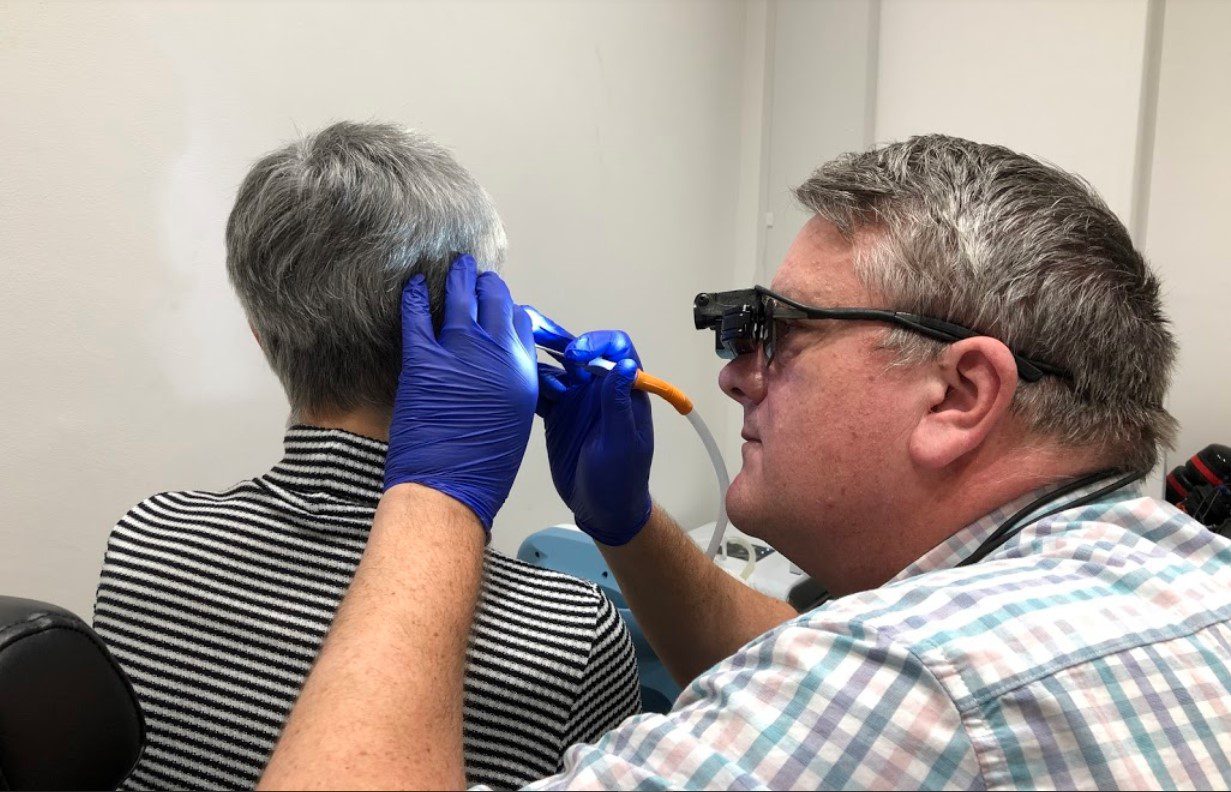
Ealing: Private Microsuction Ear Wax Removal in Ealing W5

East Finchley: Private Microsuction Ear Wax Removal in East Finchley N2
Edgware: Private Microsuction Ear Wax Removal in North London Nw4

Enfield: Private Microsuction Ear Wax Removal in Enfield En1
Finchley: Private Microsuction Ear Wax Removal in Finchley North London
Hastings: Private Microsuction Ear Wax Removal in Hastings Tn34
Hendon: Private Microsuction Ear Wax Removal in North West London Nw4
Hythe: Private Microsuction Ear Wax Removal in Hythe Ct21
Kingston: Private Microsuction Ear Wax Removal in Kingston-Upon-Thames Kt6
Mill Hill: Private Microsuction Ear Wax Removal in North West London Nw4

Milton Keynes: Private Microsuction Ear Wax Removal Mk in Bucks Mk2

Muswell Hill: Private Microsuction Ear Wax Removal in Muswell Hill N2

Oxford: Private Microsuction Ear Wax Removal in Oxford Ox2
Reading: Private Microsuction Ear Wax Removal in Reading Rg30
Surbiton: Private Microsuction Ear Wax Removal in Surbiton Kt6

Watford: Private Microsuction Ear Wax Removal in Watford Wd3

Welwyn Garden City: Private Microsuction Ear Wax Removal in Welwyn Al8
Find the Right Next Step for Psoriasis Support
The right next step depends on what the reader needs today. Some people want general information, some need a treatment option, and some are looking for a provider who understands long-term skin conditions. A PSO Aktuell business listing page should help each of those users move forward with less friction. It should be clear enough to answer a direct question, yet detailed enough to support comparison.
For psoriasis specifically, that means using accurate medical language, describing the service honestly, and making the page useful for both human readers and search systems. Good content can mention skin inflammation, flare-ups, topical care, dermatology support, and ongoing management without sounding repetitive. That balance helps the page perform well in traditional search, AI Overviews, and voice results. In the end, the best directory content does one simple thing well, it helps people find a provider they can understand, compare, and trust.
Choose the listing that explains the service clearly, matches the condition you are researching, and gives you enough confidence to take the next step.